

Cancer: Understanding Types, Causes, Treatments, and the Role of Sunnah Foods in Supporting Health
Cancer: An Increasingly Concerning Disease

Cancer is one of the leading causes of death worldwide, including in Malaysia. It occurs when cells in the body undergo changes (mutations) and multiply uncontrollably, forming growths (tumors). If left untreated, cancer cells can spread to other organs through a process known as metastasis.
Although the word “cancer” often evokes fear, the reality is that many types of cancer can be treated more effectively if detected at an early stage. That is why awareness, a healthy lifestyle, and regular check-ups play a crucial role.
The Number 1 Cancer in Malaysia
According to national statistics, breast cancer is the most frequently diagnosed cancer in Malaysia overall. Among men, colorectal cancer (cancer of the colon or rectum) is one of the most common types, followed by lung cancer and prostate cancer.
The five most common cancers in Malaysia are:
Breast cancer
Colorectal cancer
Lung cancer
Lymphoma
Liver cancer
The rise in cancer cases in Malaysia is linked to factors such as an aging population, modern lifestyles, obesity, a lack of physical activity, and unhealthy dietary habits.
What Causes Cancer?
Cancer usually does not result from a single factor. It often stems from a combination of various risk factors, such as:
Genetic or hereditary factors.
Smoking.
Obesity.
Lack of physical activity.
Excessive consumption of ultra-processed foods.
Alcohol consumption.
Exposure to certain chemicals.
Radiation.
Infections with certain viruses, such as HPV and Hepatitis B.
Although genetic factors cannot be changed, a healthy lifestyle can help reduce the risk of developing various types of cancer.
Common Types of Cancer
There are more than 100 types of cancer. Among the most common are:
1. Breast Cancer
Breast cancer occurs when cells in the breast tissue multiply abnormally. It is the most common cancer affecting women, though men can also develop it, albeit rarely.
Signs and symptoms:
✔️ A lump in the breast.
✔️ Changes in breast shape.
✔️ Bleeding from the nipple.
✔️ Skin dimpling resembling an orange peel.
2. Colorectal (Large Intestine) Cancer
This cancer begins in the large intestine or rectum and often develops from untreated polyps.
Symptoms:
👉 Bloody stools.
👉 Prolonged abdominal pain.
👉 Unexplained weight loss.
👉 Changes in bowel habits.
3. Lung Cancer
It is one of the cancers with the highest mortality rates.
Key risk factors:
👉 Smoking.
👉 Second-hand smoke.
👉 Air pollution.
👉 Exposure to certain chemicals.
4. Cervical Cancer
It is strongly linked to Human Papillomavirus (HPV) infection. Pap smears and HPV vaccines help reduce the risk.
5. Prostate Cancer
Commonly occurs in men aged 50 and above.
6. Liver Cancer
Among the causes are:
👉 Hepatitis B.
👉 Hepatitis C.
👉 Fatty liver disease.
👉 Excessive alcohol consumption.
7. Stomach Cancer
The risk is higher for individuals with *Helicobacter pylori* infection or dietary habits involving high consumption of processed or excessively salty foods.
Modern Cancer Treatments
Modern medicine offers various treatment options depending on the type and stage of the cancer.
1. Surgery
Used to remove the tumor before it spreads.
2. Chemotherapy
Uses drugs to kill cancer cells or stop them from multiplying.
3. Radiotherapy
Uses high-energy radiation to destroy cancer cells.
4. Targeted Therapy
Treats cancer cells more specifically by targeting particular molecules.
5. Immunotherapy
Stimulates the body’s immune system to help fight cancer cells.
Today, many patients are able to live longer thanks to advances in modern treatment, especially when cancer is detected early.
What About Traditional Treatments?
Many people use traditional remedies such as herbs, honey, black seed oil (Habbatus Sawda), or sunnah foods to complement modern medical treatments.
However, it is important to understand that:
✔️ No single food or herb has been proven to cure cancer on its own.
✔️ Patients are advised against stopping hospital treatment solely to rely on traditional remedies.
✔️ Traditional treatments may be considered as a supportive measure after consulting a doctor, to avoid potential interactions with current medications.
The best approach is to combine modern medical treatment with a healthy lifestyle and a balanced diet.
Sunnah Foods with the Potential to Support Health
Although Sunnah foods are not a cure for cancer, some contain bioactive compounds currently being studied for their potential to support health and help reduce oxidative stress and inflammation in the body.
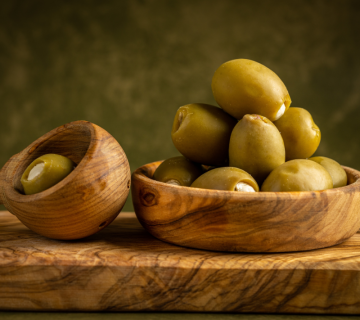
1. Extra Virgin Olive Oil
Olive oil is rich in:
✔️ Polyphenols.
✔️ Oleocanthal.
✔️ Vitamin E.
✔️ Monounsaturated fats.
Studies show that consuming olive oil as part of a healthy diet, such as the Mediterranean diet, is associated with a lower risk of certain types of cancer. However, this evidence does not mean that olive oil can treat or cure cancer.
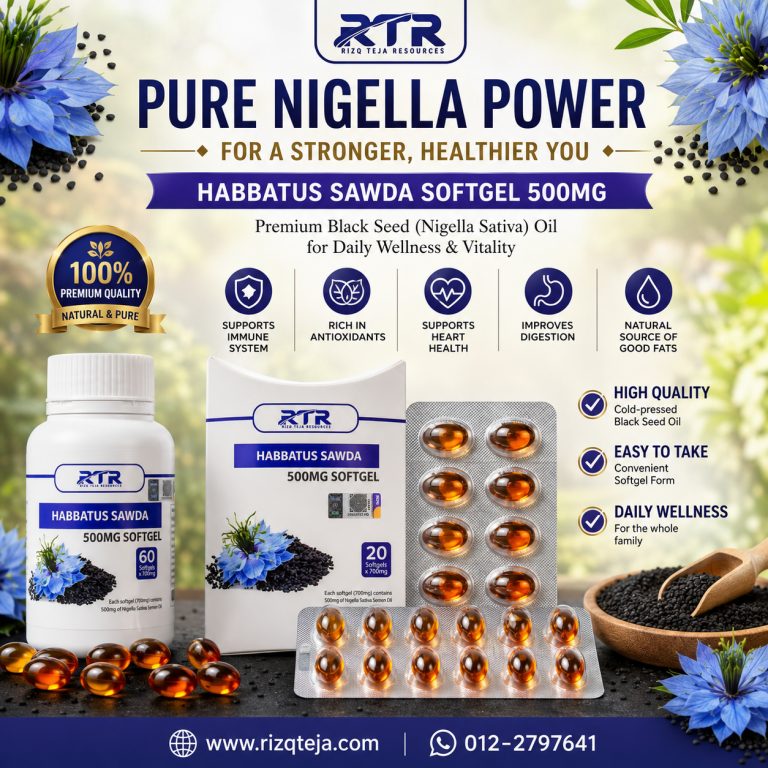
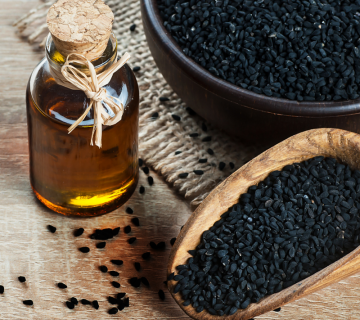
2. Habbatus Sauda (Nigella sativa)
Habbatus sauda contains the active compound thymoquinone, which is being studied for its antioxidant and anti-inflammatory properties. Laboratory and animal studies show promising potential, but clinical studies on humans remain limited and have not yet proven its effectiveness as a cancer treatment.
3. Pomegranate
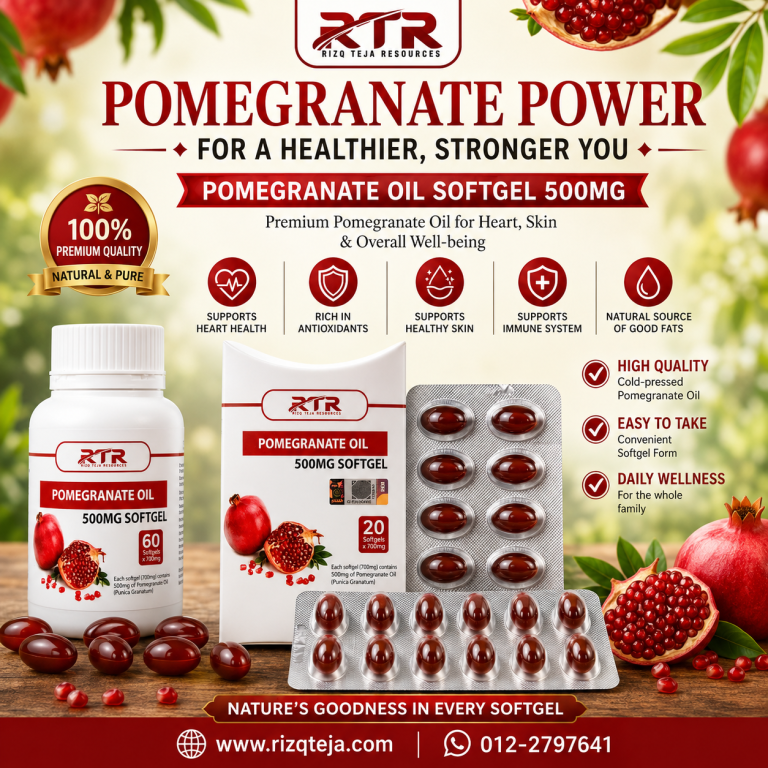
Pomegranates are rich in:
✔️ Punicalagin.
✔️ Ellagic acid.
✔️ Antioxidants.
Several laboratory studies indicate that pomegranate extract exhibits promising biological activity against cancer cells; however, clinical evidence in humans is currently insufficient to confirm its benefits as a treatment.
Practices That Help Reduce Cancer Risk
In addition to diet, the following practices also play an important role:
✔️ Quit smoking.
✔️ Maintain a healthy weight.
✔️ Exercise for at least 150 minutes a week.
✔️ Increase your intake of vegetables and fruits.
✔️ Reduce consumption of processed foods and processed meats.
✔️ Get sufficient sleep.
✔️ Reduce intake of sugary drinks.
✔️ Undergo health screenings based on age and risk factors.
Conclusion
Cancer is a complex disease, yet it is no longer untreatable. Early detection, appropriate modern treatments, and the support of a healthy lifestyle offer patients better prospects.
Sunnah foods such as olive oil, black cumin (habbatus sauda) and pomegranates possess high nutritional value and contain bioactive compounds that are currently being studied by the scientific community. However, these foods should not be considered a substitute for modern medical treatment.
Adopting a balanced diet, maintaining an active lifestyle, and seeking care from healthcare professionals are the best steps to reduce cancer risk and ensure overall well-being.
Disclaimer
The information in this article is for educational purposes and is not intended to replace medical advice, diagnosis, or treatment from a doctor. If you have concerning symptoms or are undergoing cancer treatment, please consult a doctor before taking any supplements or health products.

No comment